
Concepts
Clear, jargon-light explanations of the core ideas, so you can follow the conversation and ask better questions.
All concepts
Showing 1–12 of 38 concepts

ConceptBeginner
GIS basics: rasters, vectors and coordinate systems
The three ideas every beginner needs before opening any GIS software, explained without jargon.
GIS Basics · 6 minOpen →

ConceptIntermediate
Chunking for RAG: how to split documents so AI can find answers
Why chunk size changes everything in a document assistant, and a practical way to choose a strategy.
RAG & Agents · 6 minOpen →

ConceptBeginner
Back to basics: why maths and science still matter when AI can write the code
AI can build a map, a model or a 3D scene in minutes. Knowing whether it is right for a real place still takes a person who understands the fundamentals.
Back to Basics · 6 minOpen →
ConceptBeginner
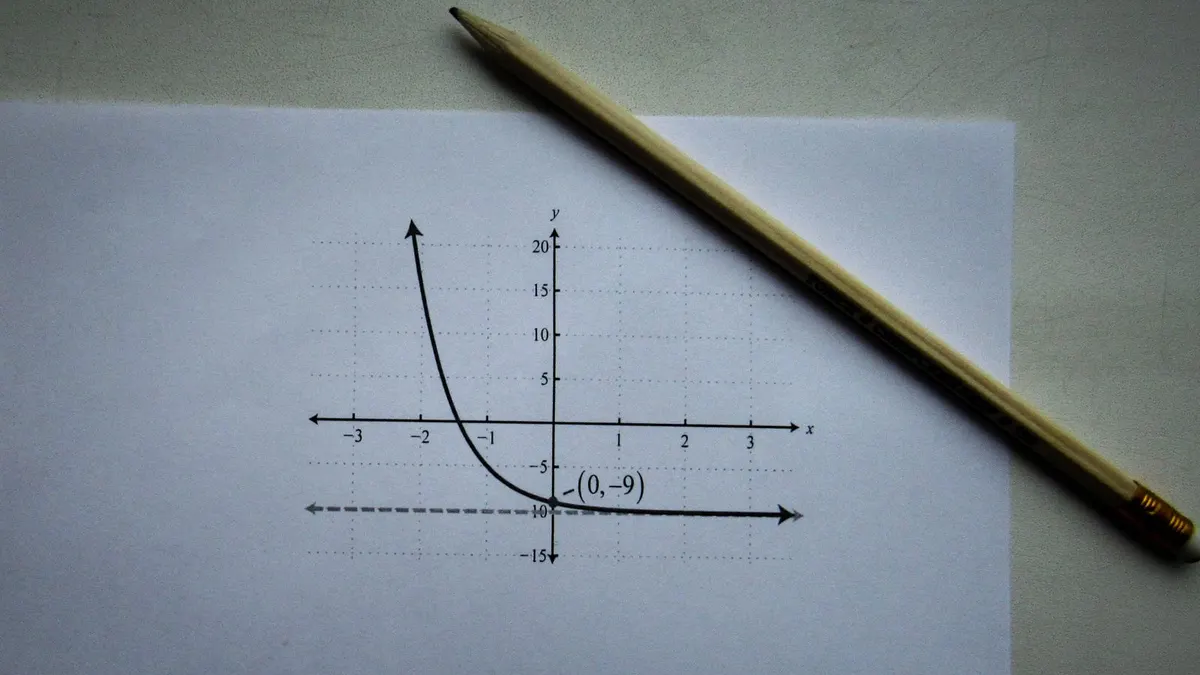
Vectors, coordinates and transformations: the maths behind every map and 3D scene
Points, directions, rotations and scale: the small set of ideas that sits under GIS, game engines, VR headsets and AR.
Back to Basics · 7 minOpen →

ConceptBeginner
Light, spectra and the physics behind remote sensing
Why vegetation looks bright in near-infrared, why shadows look like water and why a model trained on one image can fail on another.
Back to Basics · 6 minOpen →

ConceptIntermediate
The Earth is not a sphere: datums, heights and distance for GeoAI
Why coordinates need a datum, why GPS height is not sea level, and how to measure distances on a curved planet.
Back to Basics · 6 minOpen →

ConceptIntermediate
Statistics and uncertainty: how to tell whether a map or model is right
Accuracy, precision, recall and why a model that is 95 percent accurate can still be useless.
Back to Basics · 6 minOpen →

ConceptIntermediate
How cameras capture 3D: optics, parallax and photogrammetry
From the pinhole camera to drone mapping: how photographs become measurements, and what limits their accuracy.
Back to Basics · 6 minOpen →

ConceptBeginner
The human body in VR and mixed reality: perception, latency and comfort
Why some virtual worlds feel natural and others make people ill, and the science of eyes, balance and timing behind it.
Back to Basics · 6 minOpen →

ConceptIntermediate
How machine learning models learn: loss, gradients and why data matters
A plain-language tour of training, overfitting and generalisation, so you know what a model can and cannot be trusted to do.
Back to Basics · 6 minOpen →
ConceptIntermediate
3D file formats explained: glTF, OBJ, point clouds and 3D Tiles
Which format to use for web, headsets, scans and city-scale data, and why units and axes can turn a perfect model upside down.
3D & VR · 6 minOpen →
ConceptIntermediate
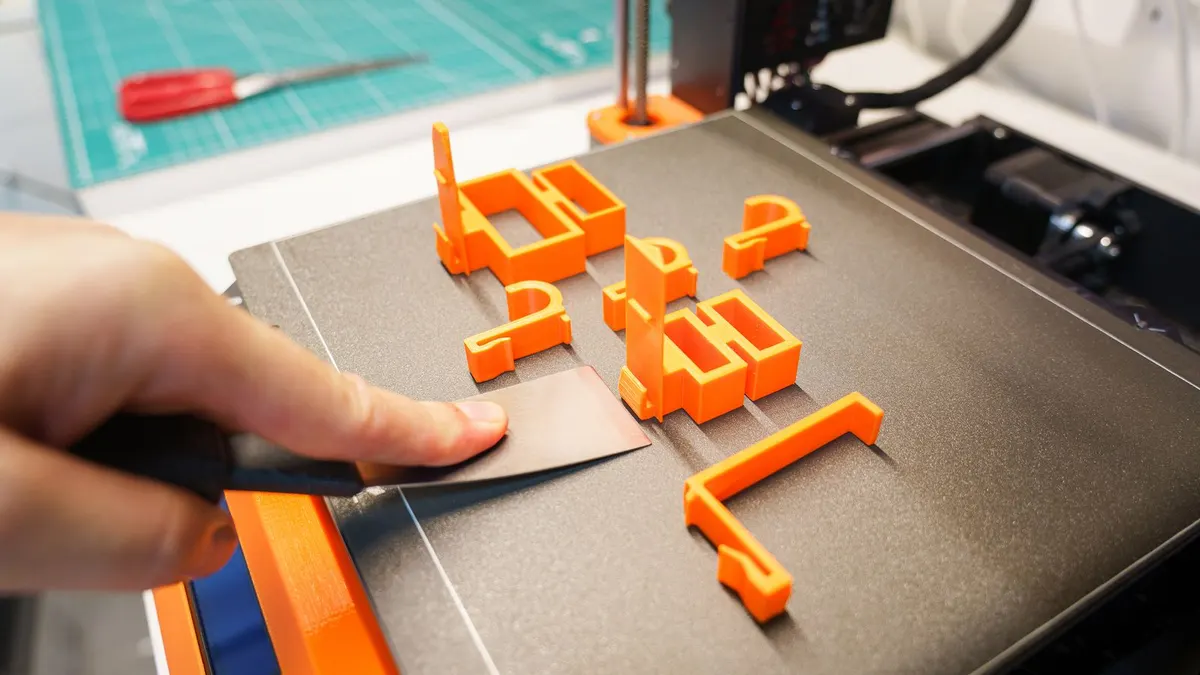
Meshes, point clouds, NeRFs and Gaussian splats: how to choose a 3D representation
The four ways to store a real place in 3D, what each does best, and a simple way to decide which one your project needs.
3D & VR · 6 minOpen →
Start a project
Have a project in mind? Let's scope it together.
Book a free 30-minute discovery call. You will leave with a clear view of what is feasible, what it takes, and the best first step.